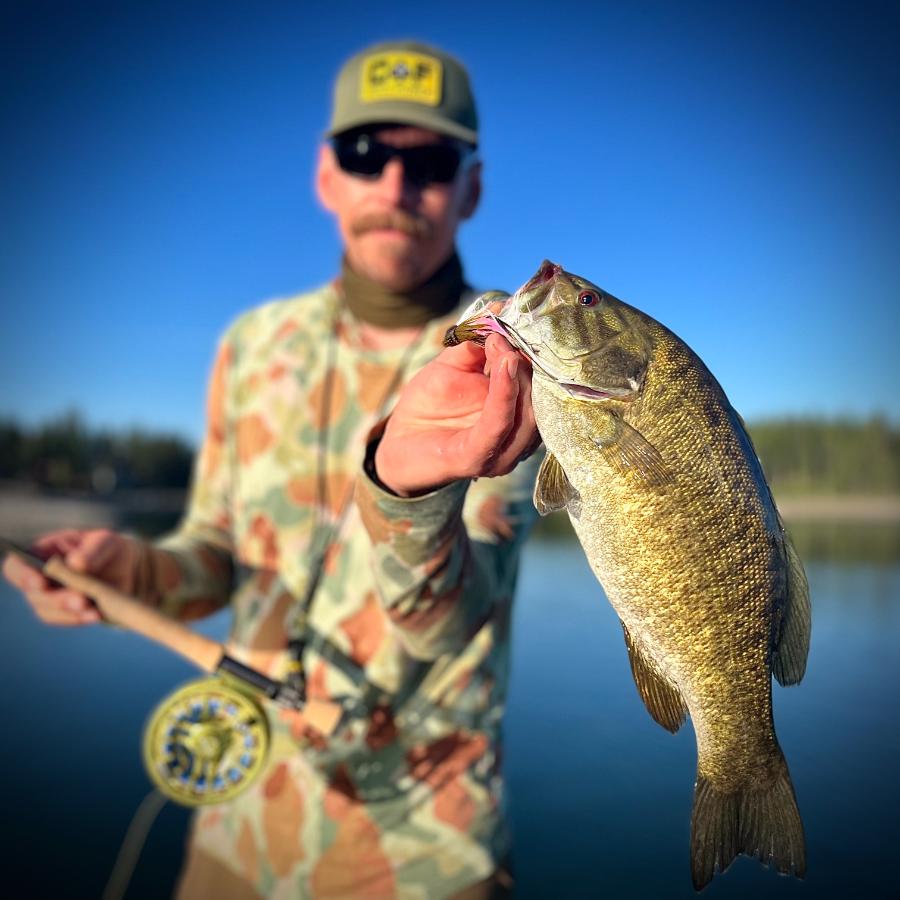
Montana Bass Fishing
Montana has become a mecca for bass fishing enthusiasts, and it’s not hard to see why. This state is blessed with an incredible variety of ecosystems that are perfect for both largemouth and smallmouth bass. From the crystal-clear waters of Flathead Lake to the winding rivers of the Clark Fork, there’s no shortage of prime fishing spots. And with so many different types of waterways to choose from, you can always find a place that suits your style.
Diverse Ecosystems and Abundant Bass Species
One of the things that makes Montana such a special place for bass fishing is the sheer diversity of its ecosystems. You’ve got everything from high mountain lakes to lowland sloughs of the Flathead River, and each one offers its own unique challenges and rewards.
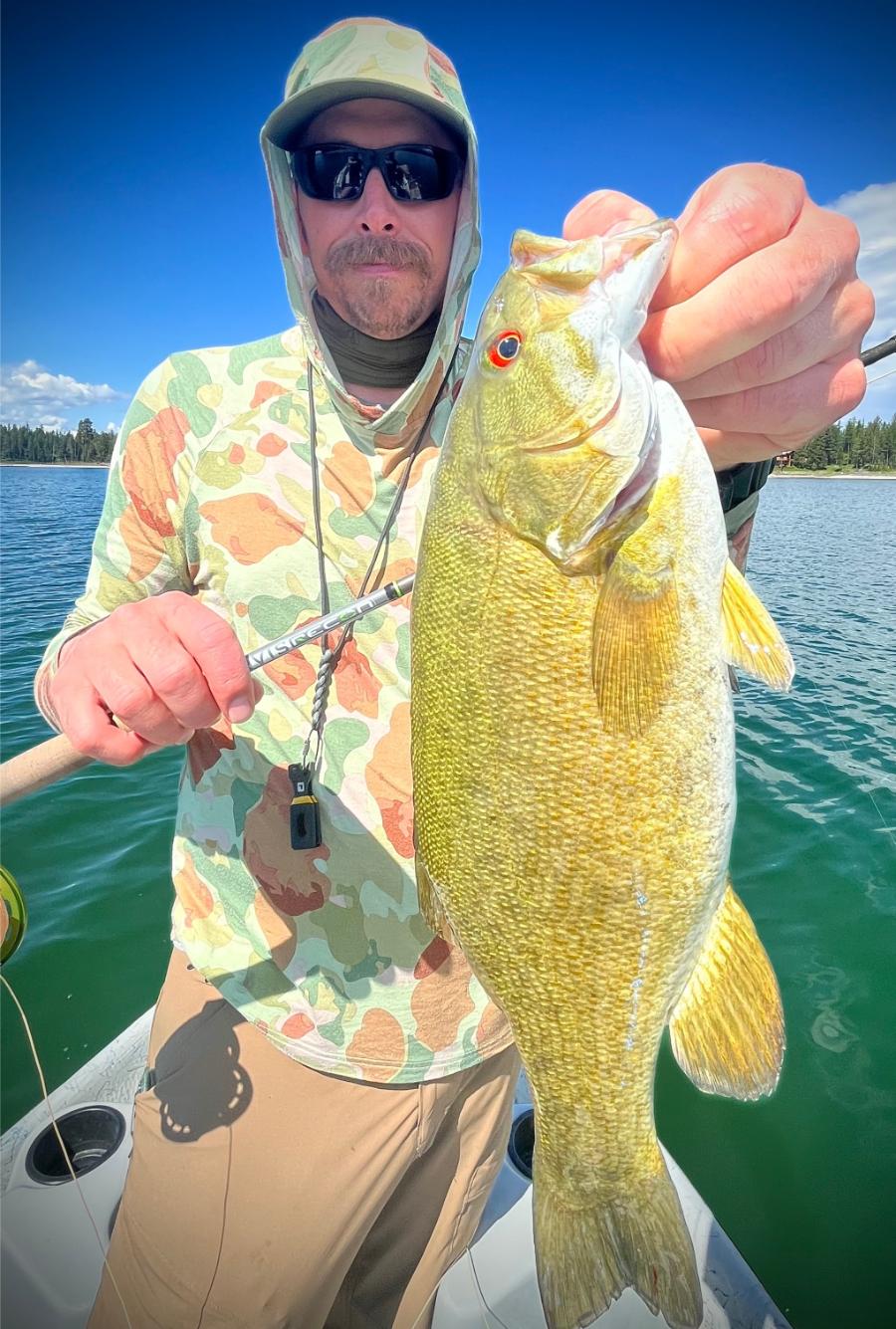
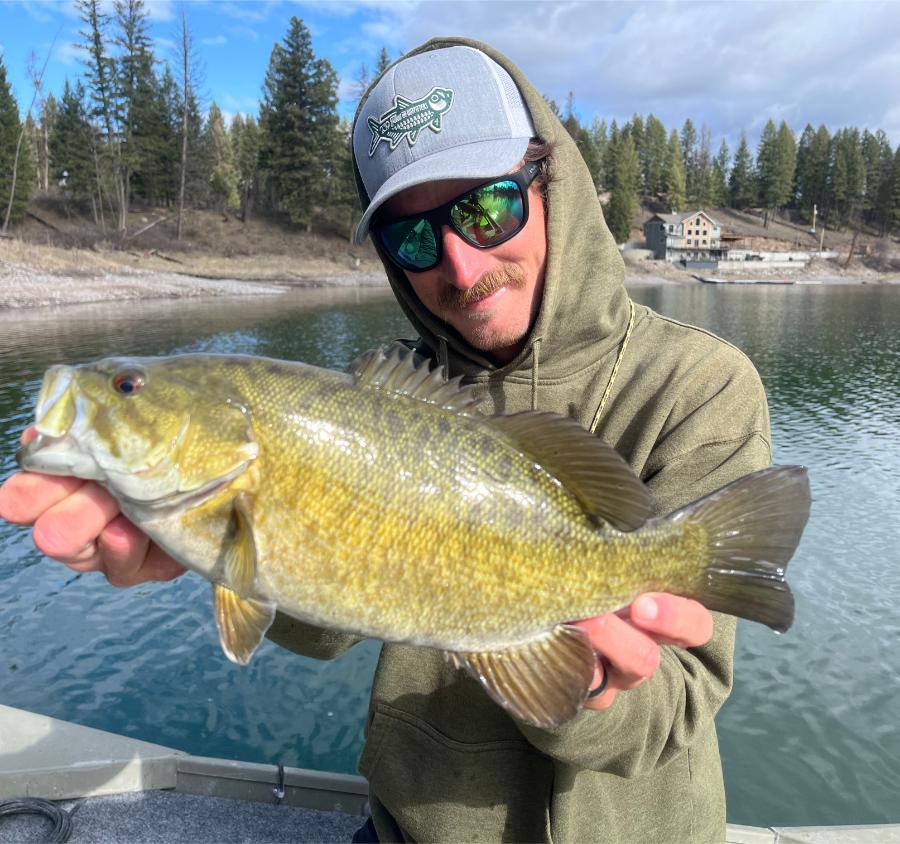
But no matter where you go, you’re sure to find an abundance of bass. According to the Montana Field Guide, smallmouth bass are found in over 180 lakes, reservoirs, and rivers across the state. And largemouth bass are just as plentiful, with populations in many of the same bodies of water.
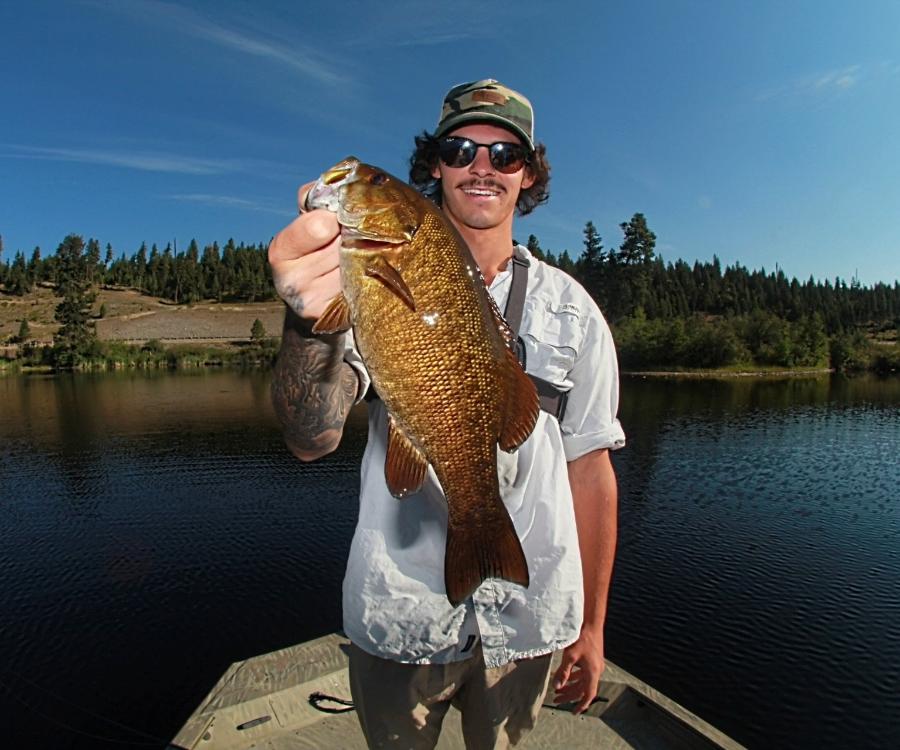
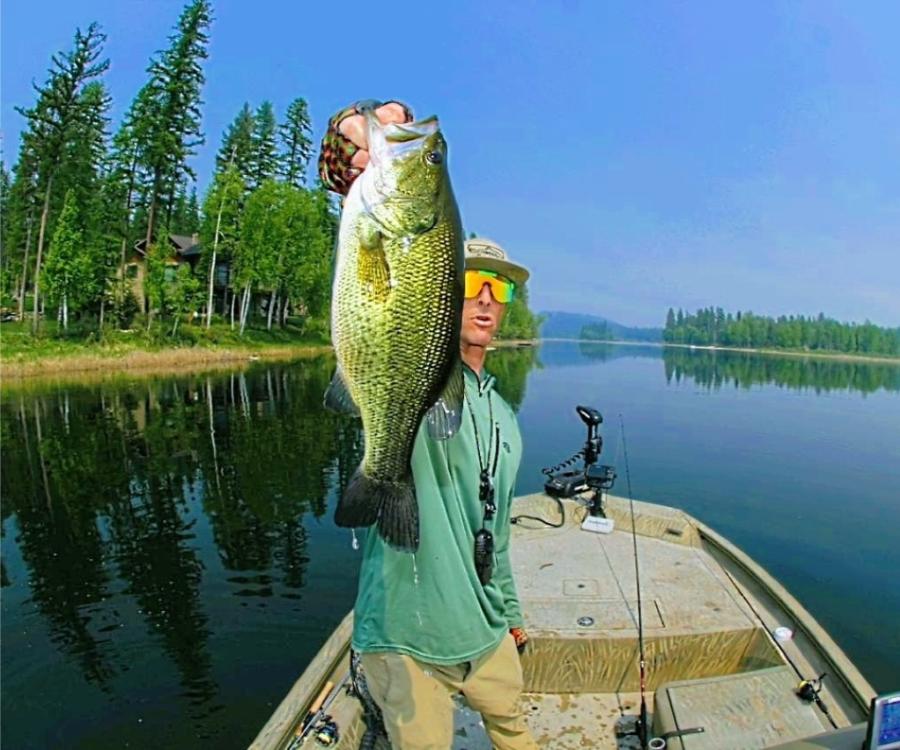
Prime Locations for Bass Fishing in Western Montana
If you’re looking for the best bass fishing in Montana, you’ll want to head to the western part of the state. This region is home to some of the most productive waters in the country, and it’s a favorite destination for anglers from all over.
The Best Times to Fish for Bass in Montana
When it comes to bass fishing in Montana, timing is everything. The best time to fish depends on a variety of factors, including the location, the weather, and the time of year.
In general, the best time to fish for bass in Montana is from late spring through early fall. During this time, the water temperatures are warm enough to keep the fish active, and there’s plenty of food available for them to eat.
However, the exact timing can vary depending on the specific body of water you’re fishing. For example, some lakes and reservoirs may warm up earlier in the spring, while others may stay cool well into the summer. That’s why it’s always a good idea to check with local experts or consult a Montana fishing report before planning your trip.
Techniques for Successful Bass Fishing
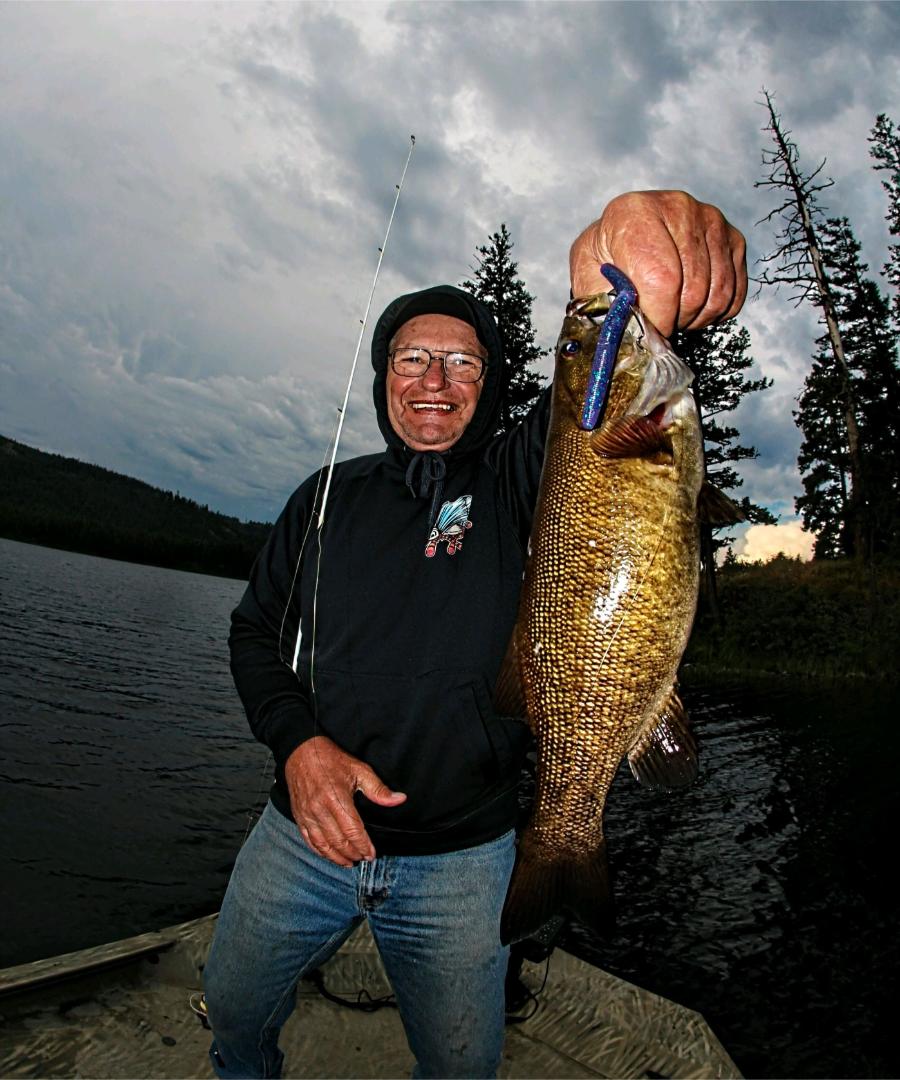
Fly fishing and topwater fishing are two of the most effective methods for reeling in those big catches.
But why are these techniques so popular among anglers in the Treasure State? Let’s take a closer look.
Benefits of Guided Trips in Montana
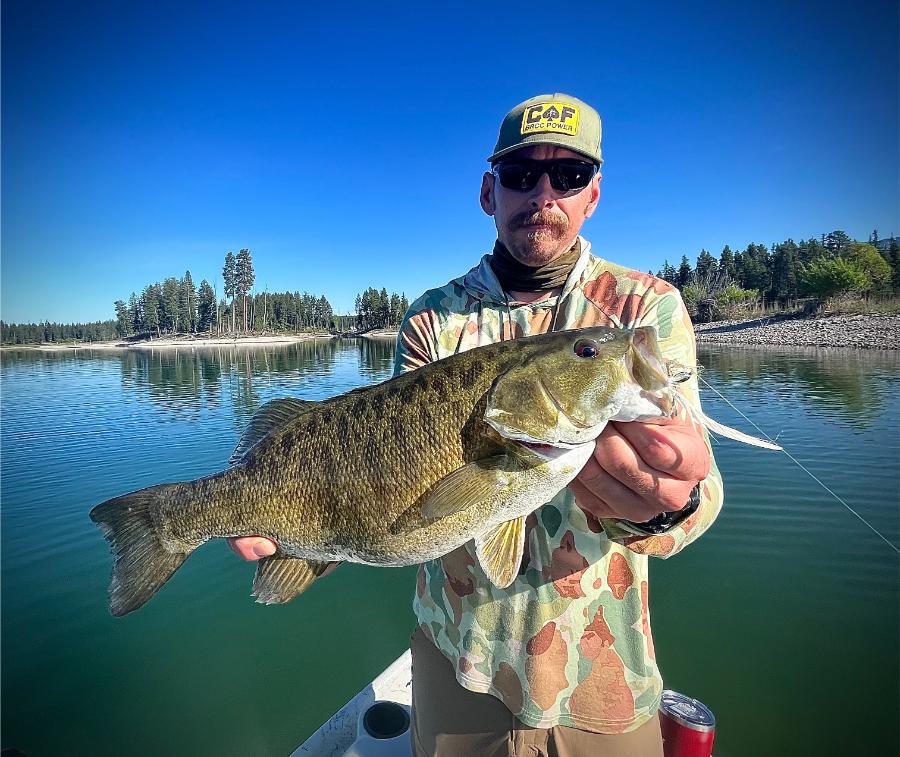
While it’s certainly possible to have a successful bass fishing trip on your own, there are some big benefits to hiring a guide – especially if you’re new to the area or just looking to up your game.
First and foremost, guided trips give you access to local knowledge that you simply can’t get anywhere else. We know these waters like the back of their hand, and they can take you to some of the best spots for bass that you might not find on your own.
Guides can also provide you with top-notch gear and equipment, so you don’t have to worry about bringing your own or renting from a shop. Also, they’re your go-to for killer advice on catching more bass and stepping up your fishing game.
Whether you’re a seasoned angler or a complete beginner, a guided trip in Montana is an experience you won’t soon forget. Not only will you have the chance to reel in some impressive catches, but you’ll also get to soak up the stunning scenery and create memories that will last a lifetime.
Essential Preparation for Your Montana Fishing Adventure
Before you head out on your bass fishing adventure, there are a few essential things you’ll need to take care of first. A little preparation can go a long way in ensuring a successful and enjoyable trip.
Understanding Local Regulations and Conservation Tips
So, before you pack your tackle box and head to Montana’s streams and lakes, make sure you’re up to speed on the local fishing rules and how to keep those waterways beautiful for generations of anglers to come. Trust me, you don’t want to find yourself on the wrong side of the law or inadvertently harming the delicate ecosystems that make Montana such a prime fishing destination.
First things first, make sure you have a valid Montana fishing license. It’s not just a legal requirement; it’s also a way to contribute to the conservation efforts that keep these waters teeming with fish year after year.
When it comes to regulations, pay attention to daily catch limits, size restrictions, and seasonal closures. These rules are in place to ensure the long-term sustainability of Montana’s fisheries. Plus, following them will help you avoid any awkward encounters with local authorities – and no one wants that on their fishing trip.
Another key aspect of responsible fishing in Montana is practicing catch and release. While it’s tempting to keep every trophy bass you reel in, releasing them back into the water helps maintain healthy populations for future generations of anglers to enjoy. We strongly encourage you to release all fish you catch.
By being mindful of these regulations and conservation practices, you’re not only ensuring a successful fishing trip for yourself but also doing your part to preserve Montana’s incredible fishing heritage for years to come.
The Serenity of Fishing in Less-Populated Areas
One of the greatest joys of fishing in Montana is the opportunity to escape the crowds and immerse yourself in the tranquility of nature. While some popular fishing spots can get a bit busy during peak seasons, Montana’s vast wilderness offers countless hidden gems where you can cast your line in peace.
Imagine yourself standing hip-deep in a crystal-clear mountain stream, surrounded by towering pines and rugged peaks. The only sounds are the gentle rustling of leaves, the chirping of birds, and the occasional splash of a rising trout. Montana’s quiet spots offer a type of calm that hooks fishermen from every corner of the globe.
The Tranquility Advantage
Heading off to those less crowded fishing spots isn’t just for the peace and quiet; believe it or not, you’re likely to reel in more catches there. With fewer anglers competing for the same fish, you’ll have more opportunities to land that trophy bass or elusive trout.
Moreover, fish in less pressured areas tend to be less wary and more willing to bite. They haven’t been subjected to the constant barrage of lures and flies that their counterparts in more popular spots have grown accustomed to. This means that you can often enjoy faster action and more aggressive strikes, making for an even more exciting fishing experience.
So, the next time you plan your Montana fishing adventure, consider venturing off the beaten path and discovering the tranquility and incredible fishing opportunities that await in the state’s less populated areas. Believe me, this is one adventure that’ll stick with you for a long time.